

Reading time
3
min
How to turn your company into an exponential organization
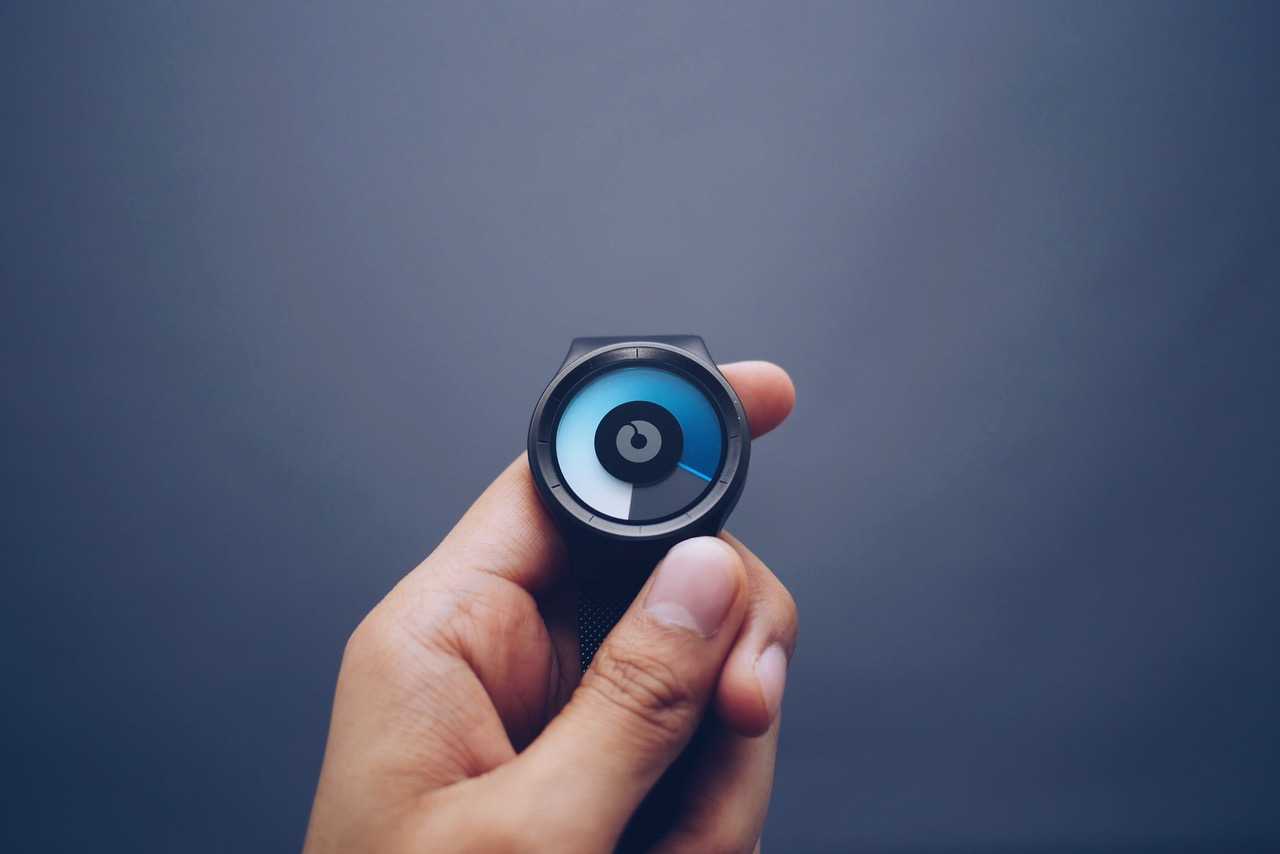
Wearing technology is already a reality. The use of “wearables”—or wearable items with embedded technology, such as glasses, bracelets, and watches—has gone through several waves, had its ups and downs, and now shows signs that it is here to take a prominent place on people’s bodies.
It is estimated that the global wearables market will reach around 214 million units sold in 2020. In Brazil, expectations were that 2018 would sell no less than 5 million wearable devices.
These numbers reveal the popularity of the Internet of Things, due to its power to connect technology to what people use most in daily life, going far beyond the smartphone.
In the coming years, even clothing will be at the peak of the wearables wave, crossing another frontier in the world of accessories that can interact with the user day to day.
For now, watches still hold absolute popularity in this market: estimates say they will reach a 52.1% share of all wearables sold in 2020, followed by bracelets, glasses (40% of total revenue), and clothing (7.3% of the total market).
In the segment of bracelets and smartwatches, some brands stand out globally in the race for wearable apps, such as Apple, Nike, Jawbone, Fitbit, and Misfit.
All of them started ahead with apps that help the user during physical activity. These wearables can measure heart rate, number of steps, running pace, and other important metrics for anyone who is always looking to beat their own records.
That’s why, in Brazil, the main element driving wearable sales is wellness: beyond physical activity itself, apps also promise to monitor eating habits.

The juice brand Do Bem, for example, used its market niche (nutrition) to create an app for an intelligent bracelet aimed at monitoring body movements and measuring continuous active time, calories burned, and even sleep quality.
In a country like ours, with a strong body culture, this type of app has a high chance of succeeding in downloads and sales in a short period of time.
But entertainment also has its place in the wearables market, especially when the wearable item connects to games.
That’s the case of Oculus Rift, which enables a virtual reality experience, as well as HTC Vive, Sony PlayStation VR, and Microsoft HoloLens.
All of them have entertainment content and can be offered alongside traditional video games.
Building an app from scratch for a wearable—especially for smartwatches—has costs that come from the goal of the product. As a rough estimate, the investment can exceed R$ 30,000, depending on features and the quality expected for the final product.
Of course, this amount is not a rule. To know the exact development cost, some factors beyond the app’s features (and interface) need to be taken into account.
First, you need to study the app’s market niche and see upfront whether initial competition forces you to have more robust differentiators. That makes development more expensive, since teams must be more qualified for certain functions and languages.
Second, the process itself must be defined to reach agreement on cost. The scope type, app limitations (both staffing and technological), development practices, novelty of a feature, and the need to hire materials or specialized labor externally will determine the final value of the initiative.
All of that, of course, without counting time and budget constraints: if a company is not yet established in its niche, like Nike, for example, spending tens of thousands of reais on an app can become an obstacle.
That’s why the recommendation is to detail the project so you know, before starting development, how much money we’re talking about.
If your app will have a large volume of users and can add value to each user’s experience, then yes.
After all, wearables are all about user experience. Otherwise, it’s better not to enter that arena.
It’s also worth it if we consider that, with such interesting future projections, wearables tend to gain more and more market share—and paid apps follow that trend. Apps developed for smartwatches, for example, have a high chance to monetize easily if they offer valuable features.
A good starting point is to prioritize the best-known platforms with larger user bases, like “traditional” smartphone apps.
Only if your company is already present on those platforms can it be interesting to invest in wearable apps. If in doubt, contact X-Apps and tell us your idea.
With more detailed information, we can do a more technical analysis of the feasibility and price of your app—whether it’s specific to wearables or not.


